
223 % revenue growth in two months. This is how Nahim Sky's Sidejeans grows with Adverfly 📦


This is the shop. 👕
Slim fits, jackets and longsleeves, every piece in many colours and cheaper in a bundle. It sells through creators, referrals and ads, and in the end it all lands in the same shop. That is where somebody has to tell apart what brought which order.
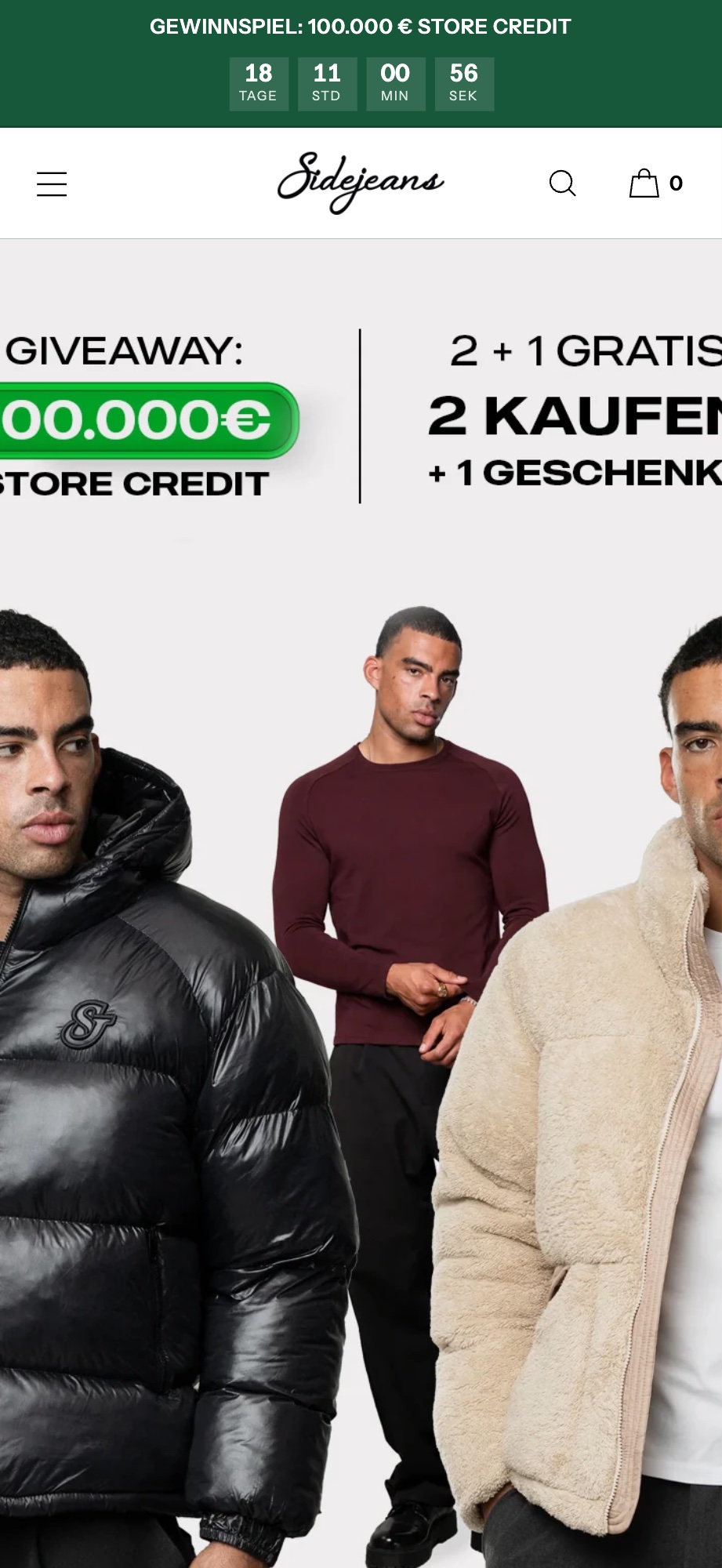
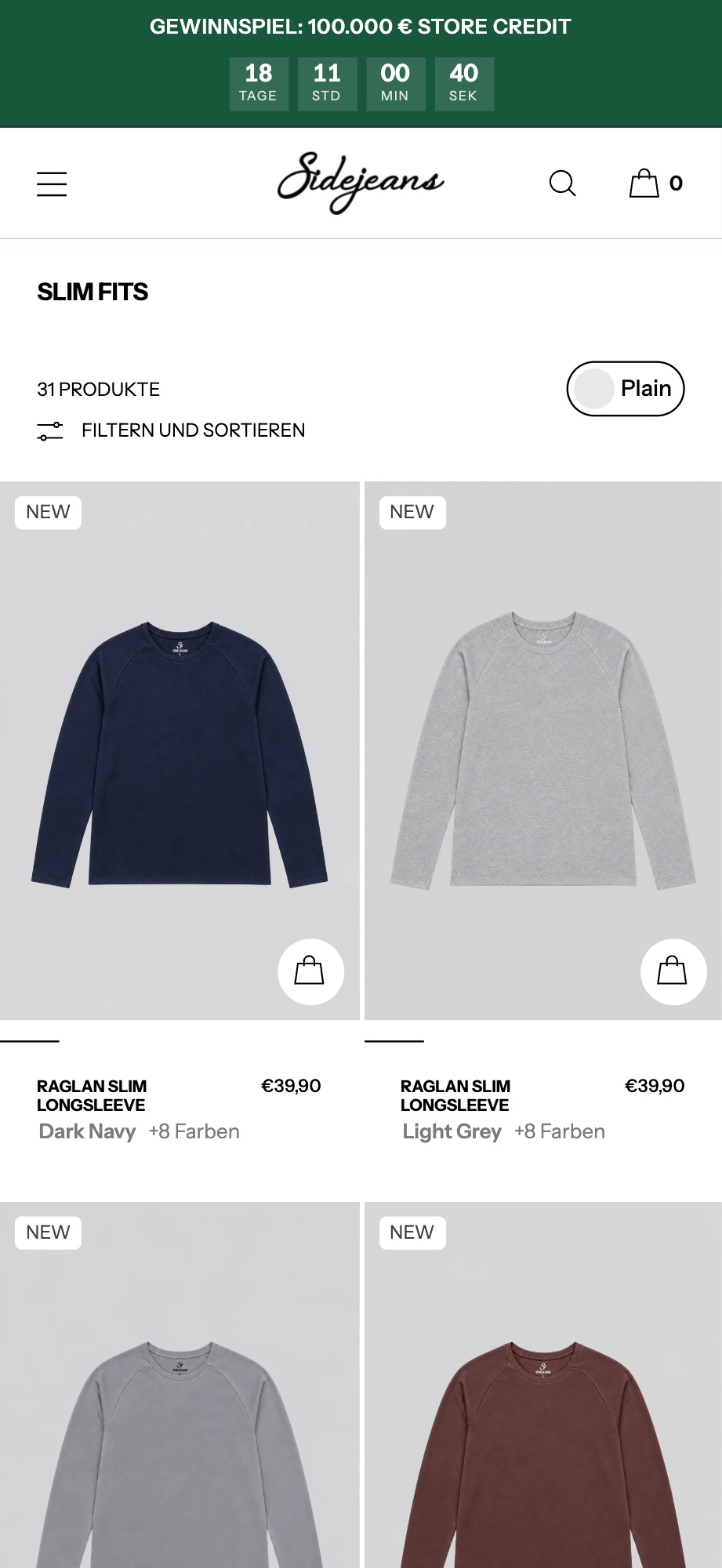
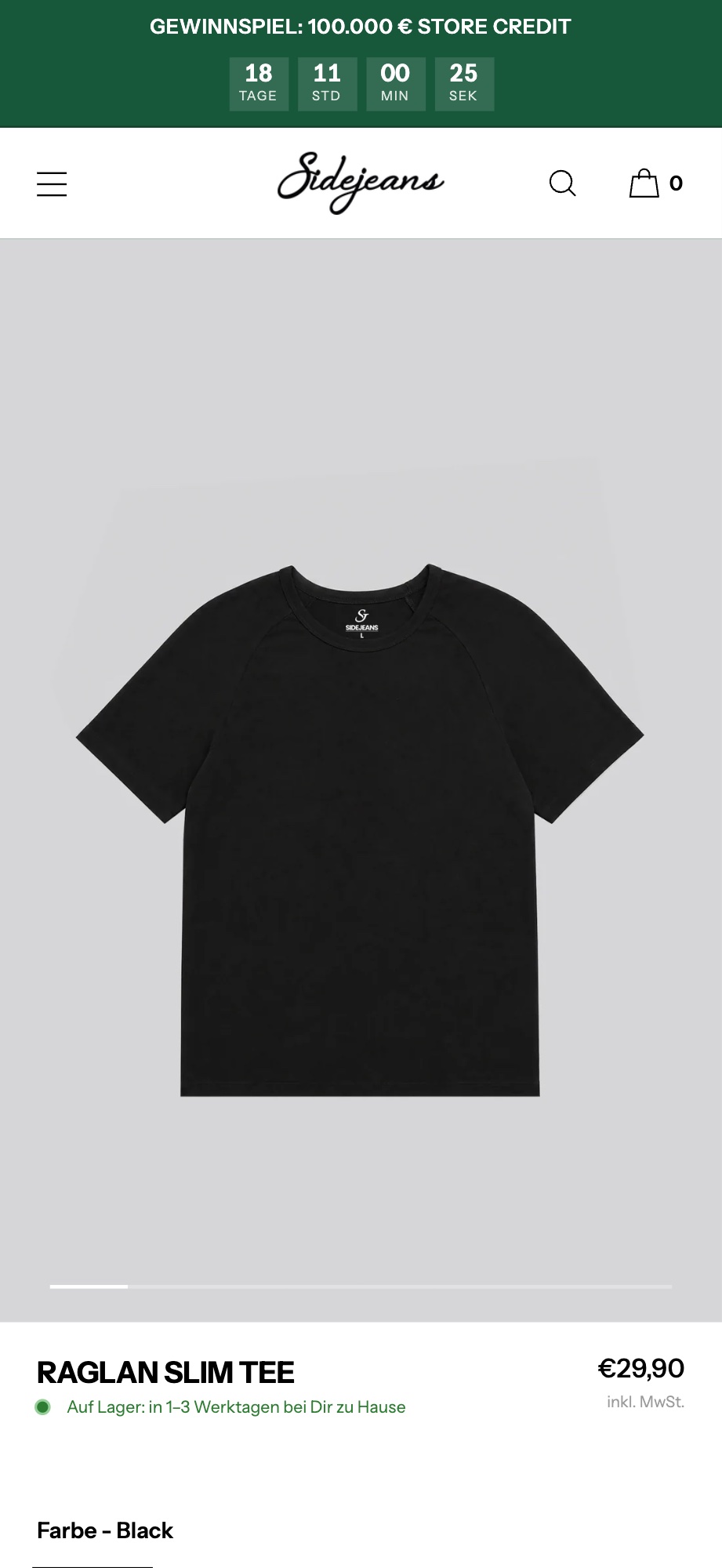
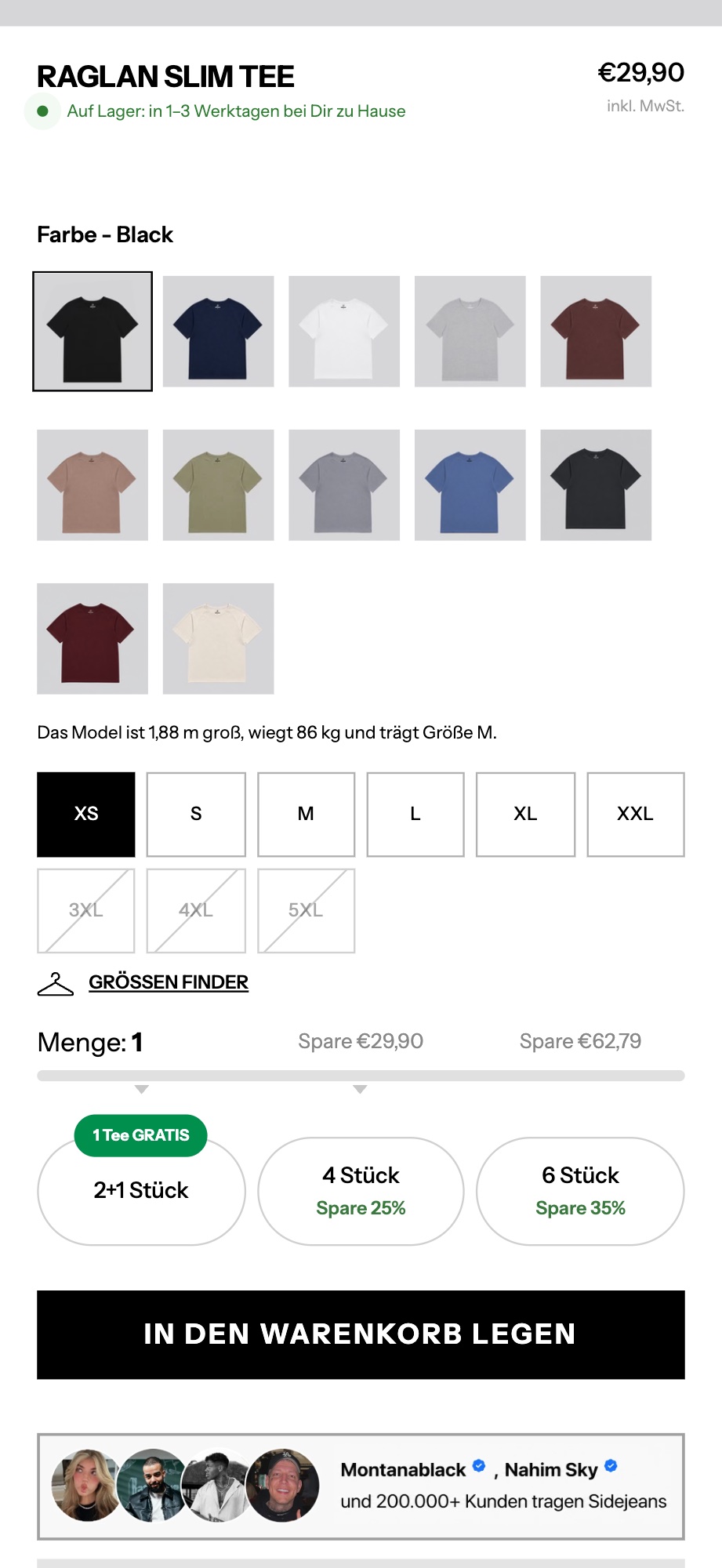
And if the wardrobe could use another slim tee, this way shop Sidejeans
Six building sites. Each on its own. 🏗️
Everything ran together in the same shop, and every part counted for itself. At the end an order came in, and nobody knew who had brought it. June and July brought almost the same number of orders, then on 1 August 2026 the pixel went live.
- Every tool had its own numberThe shop, the ad accounts and the reports each counted for themselves.
- Creatives lived in an extra toolWhich ad sells sat somewhere other than the shop and the costs.
- A giveaway is handworkCounting tickets, watching windows, reminding people, drawing a winner, every round, by hand.
- A referral is not a discountGive both sides a discount and customers quickly learn never to pay full price again.
- Creators ran without a number of their ownWithout a link and a code per person there is no way to see who actually sold and who was just along for the ride.
- Revenue says nothing about profitCosts only showed up in a few places. Most analyses stopped at revenue.
One foundation, then the mechanics on it. 🔩
First the measurement, then the creator programme, built together, then giveaway, costs and creatives on top. Every app reads the same numbers, so each new one makes the ones before it worth more.
Tracking
Measured in the shop
- Orders come out of the shop itself, not out of the platform reports.
- Meta and Google counted by one model.
- If a connection drops, Health Center says so before anyone reads the gap as a bad week.
Channel
A creator programme, built together
- A link and a code for almost every creator, checked against each other.
- A dashboard of their own with codes, commission and payouts.
- Their stories get collected automatically and counted against the monthly goal.
- In their own creator shop they pick new pieces with their credit.
- Whoever sells more moves up to the next level by themselves.
The measure
Profit instead of revenue
- Almost every item in the range carries its cost price, straight from Shopify and always current.
- A fee rate per payment method, because Shopify does not put one on the order.
- Fixed costs, the car raffled off in the giveaway and the creator costs sit in the same calculation, not in a spreadsheet next to it.
Creatives
Winning ads, visual at a glance
- The best ads of the last 7 and 30 days as a gallery that updates itself.
- Which hook holds people and which ad only burns money, right next to it.
- The creative team and the performance team look at the same number.
- And whatever is up for debate goes into the shop as an A/B test.











First flat. Then steep. 📈
Growth compares the Shopify orders, new customers and revenue of September 2026 with those of July 2026, the last full month before the start in August 2026. Cost coverage is measured against the order line items of the 30 days to 21 September 2026.
More orders, more new customers
June and July were flat. In August, the first month on Adverfly, the orders picked up, and in September, while the giveaway ran, there were 276 % more than in July. Every order counts, straight from the shop.

The giveaway ran by itself
Every purchase earned its tickets, every expiring window sent its own reminder, and a second chance went out on its own. Meanwhile the Sidejeans team drinks its coffee instead of counting tickets ☕️
Running in the background
Someone sends an order back and gets a short survey from Adverfly. Whoever answers gets a free tee or a discount as a thank-you, whichever Sidejeans has set. Much of the shop works like that: the giveaway, the creator levels, collecting the stories, set up once in Adverfly and running on its own ever since.

A referral pays in tickets
Friend and referrer both get tickets, and no price cut on either side. That keeps the margin a discount would have given away.
Creators with a number of their own
Sidejeans built its creator programme with Adverfly. A creator posts a story, and it counts towards the monthly goal by itself. In their own dashboard they see codes, commission and payouts, and in their own creator shop they pick new pieces with their credit. Whoever sells more moves up a level.
Knowing which ad sells
Instead of digging through an extra tool, the team opens Canvas: the best ads of the last 7 and 30 days, the strongest hooks, the new launches, and the ads that only burn money. The creative team and the performance team look at the same number.
Tested instead of guessed
Does a badge announcing double tickets bring more revenue per visitor? And does traffic land better on the homepage or straight in the slim fits collection? Both ran as A/B tests at the end of September, on the same numbers as everything else.
Profit instead of revenue
Cost of goods straight out of Shopify, fees per payment method, fixed costs, and even the car that is raffled off and what the creators cost, all in one calculation. What is left over is the figure decisions run on.
The next steps on the same foundation. 🧭
Adverfly's AI infrastructure is ready 🧠 Is your brand? 🚀
In October the first TikTok live followed, out of the brand's own warehouse: two hours planned, four hours live, and the orders were in the workspace the same night.
That is what Adverfly's AI infrastructure is for: over 70 apps on one data foundation.
75 apps on one data foundation · 58 integrations
Capability by capability — what's integrated here, and what you'd otherwise buy separately.
Capability
Adverfly
All in one platform
3,600 €/ month · 1 invoice
All apps work togetherOther tools
Separate & additional cost
~20,900 €/ month · 18 tools + 1 role
Each tool works on its ownBuilt-in
Mixpanel, Hotjar · separate


Built-in
Google Analytics, Plausible


Built-in
Funnel.io, Supermetrics




Built-in
Native per tool · separate


Built-in
Sprout Social, Buffer

Built-in
Ahrefs, Semrush
Built-in
Typeform, SurveyMonkey

Built-in
Trustpilot, Yotpo Reviews · separate

Built-in
Brand24, Mentionlytics


Built-in
Manual integration into BI



Built-in
Notion + manual sync
Built-in
Klaviyo Lists, RudderStack

Built-in
Manual tagging in DAM

Built-in
Manual analysis in spreadsheets
Built-in
Manual creative reviews

Built-in
Looker, Tableau · per seat

Built-in
Motion, Atria · separate

Built-in
Heap, Amplitude
Built-in
Manual cohort analysis in BI

Built-in
Custom dashboards

Built-in
Looker, Tableau · per seat

Built-in
Hotjar, Microsoft Clarity

Built-in
FullStory, LogRocket
Built-in
Manual P&L in Excel + BI
Built-in
Triple Whale, Northbeam

Built-in
Consulting

Built-in
Custom statistician


Built-in
Manual stats in R/Python



Built-in
ChatGPT, Claude · manual prompting

Built-in
Custom-built chatbot per workspace

Built-in
Excel + consultant

Built-in
Yotpo, Smile.io


Built-in
Privy, Justuno
Built-in
Midjourney, Runway

Built-in
Stape, Funnel

Built-in
Zapier, Make

Built-in
Build it yourself · eng team needed
Built-in
Modash, Aspire
Built-in
Aspire, GRIN

Built-in
WordPress, Webflow + manual tracking integration

Built-in
Frontify, Brandfolder

Built-in
Custom alerting + event tracking

Built-in
Funnel, Supermetrics

Built-in
Manual in spreadsheets
Total / month
3,600 €saves 17,300 €
~20,900 €
Illustrative for one brand at 10 Mio. € annual revenue. Adverfly: Managed Infrastructure, billed yearly — flat price, no revenue share. The comparison uses list prices of the tiers such a brand lands on, or typical retainers, rounded, plus half an engineering role for pipelines and upkeep — that work is priced in on the Adverfly side. Vendors named in the rows illustrate the capability; the total is not a price quote for any single product. As of September 2026.
What actually changed. ✨
| Area | Before | After | With |
|---|---|---|---|
| Measurement | Every part with a number of its own. | Giveaway, creators and ads in one calculation. | |
| Creatives | Reports in a tool of their own. | Winning ads, visual at a glance, on the same numbers as everything else. | |
| Creators | No programme of their own. | Almost all with a link, a code and a dashboard of their own. | |
| Giveaway | Tickets counted and winners drawn by hand. | Tickets, windows and reminders run by themselves. | |
| Referrals | A discount for the friend. | Tickets for both sides instead of a discount. | |
| Costs | Costs only in a few places. | 2,276 SKUs with a cost price, a fee rate per payment method. | |
| Decided on | Revenue. | Profit, after cost of goods, fees, fixed costs, the giveaway and the creators. |
Become the market leader in your niche, on Adverfly's AI infrastructure. 🚀
In 30 minutes we show you what is hiding in your data: on your channels, not on a demo account.
Read next
 AYLASHESOne of the first brands to bet on real omni-channel tracking instead of platform self-reporting, with creators measured the same way as every paid channel.
 Blume IdealIn the first month, Blume Ideal found Meta budget that was adding no revenue on top. Turned down, the revenue held and the profit rose. That look behind the platform reports is why Adverfly stayed.
 Medizen DigitalMedizen sells course places, not products, on a platform it built itself. An off-the-shelf shop plugin was not going to do the job. So the tracking was tailored to their platform, rather than working around it.
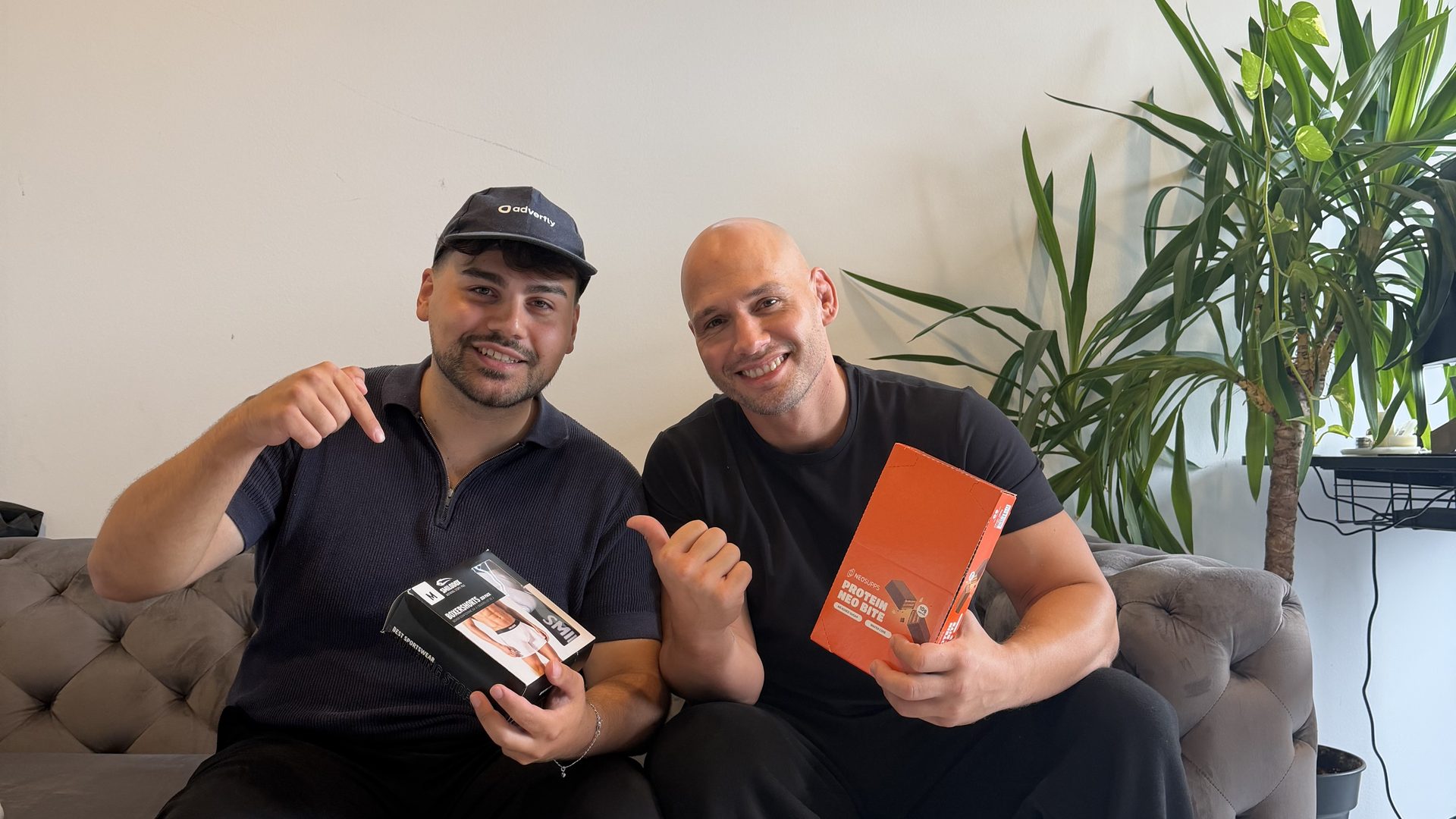 NeosuppsSupplements are bought again. Neosupps counts a customer over twelve months instead of an order at checkout, and steers the ads on that.
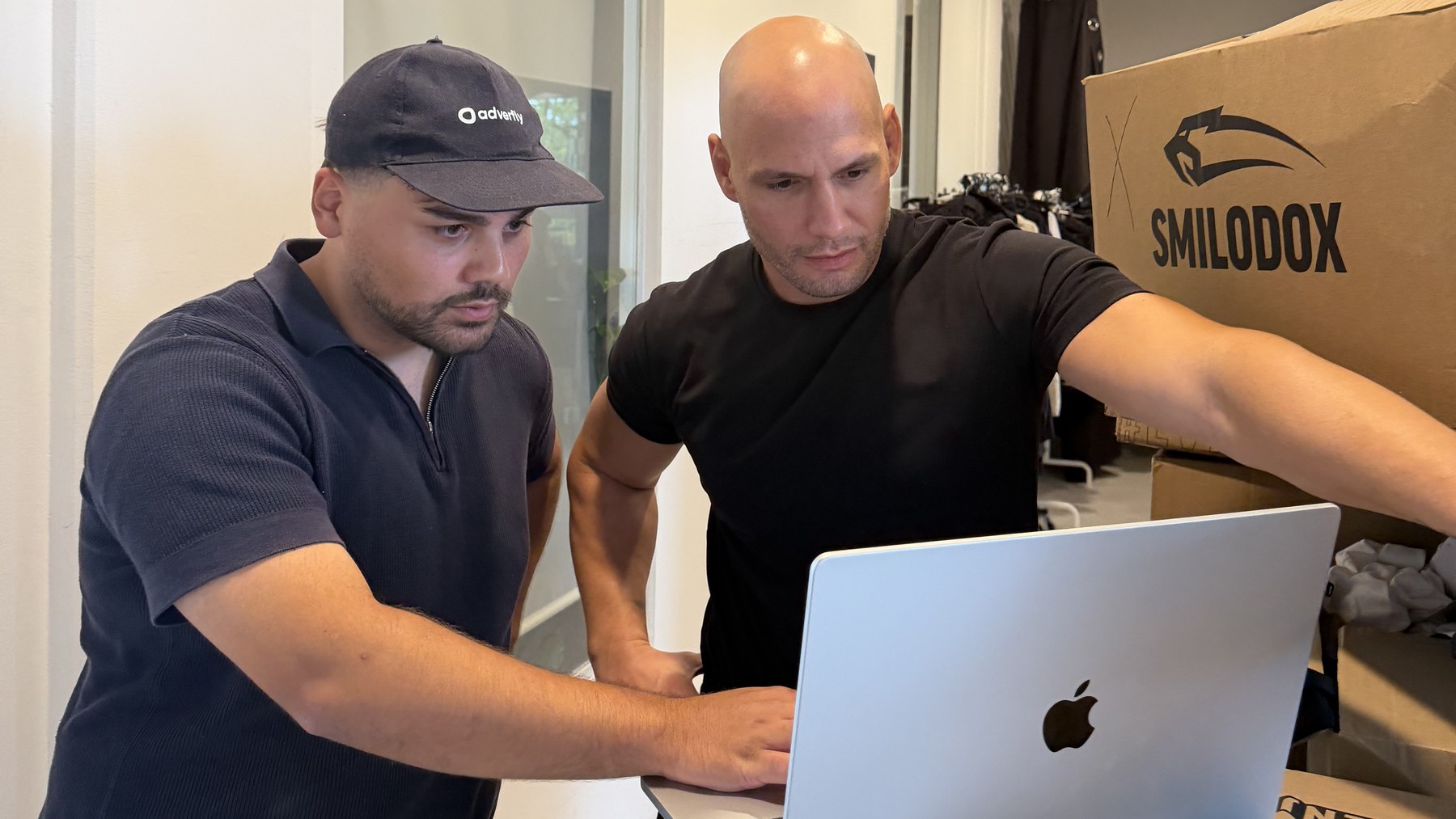 SmilodoxSmilodox came for one thing: numbers they could rely on. Five channels, creators and organic now run on one measure, and the creative analysis reads what is in an ad instead of only what it is called.
 glouragloura tracked its creators with discount codes alone. The numbers were wrong in both directions until link and code were counted together.

Written by Ezhan Atak · Founder, Adverfly
Published: